Petroglyphs, ancient markings etched into the rock face, offer a unique glimpse into the lives and beliefs of past cultures. In Chinle, Arizona, naturally rich in archaeological wonders, these rock art artifacts are not just historical curiosities but key to understanding indigenous communities that once thrived in this region. However, preserving and interpreting these delicate inscriptions pose challenges. This article delves into the intricate process of studying and safeguarding these cultural treasures, providing a comprehensive overview of the methodologies and importance of petroglyph conservation in Chinle, Arizona.
- Unveiling Petroglyphs: Chinle Arizona's Ancient Art
- Exploring the History: Deciphering Rock Art Stories
- Conservation Efforts: Preserving Heritage in Nature
Unveiling Petroglyphs: Chinle Arizona's Ancient Art
Deep within Chinle, Arizona, a hidden treasure awaits exploration – ancient petroglyphs etched into the rugged landscape. These artistic marvels, created by indigenous cultures centuries ago, offer a window into the rich history and spiritual beliefs of our state's past inhabitants. Unveiling these sacred symbols is an immersive experience that combines art appreciation with a deep connection to Arizonan heritage.
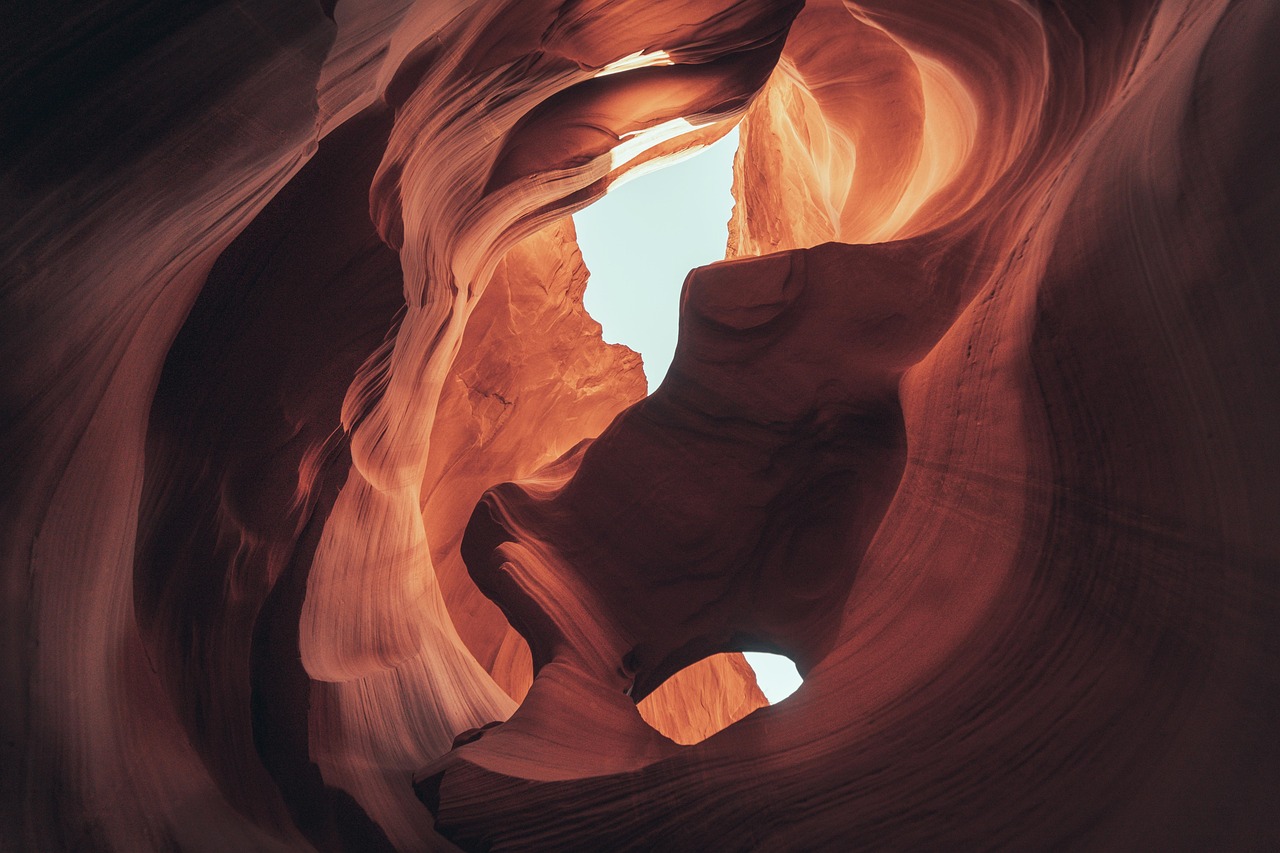
The Chinle region, known for its breathtaking red rock formations and diverse ecosystems, serves as a canvas for these petroglyphs. Visitors can discover numerous sites scattered across the area, each presenting unique designs and potential meanings. From intricate animal figures to abstract symbols, these ancient markings tell stories of hunting rituals, spiritual ceremonies, and daily life. Exploring these petroglyphs offers a chance to step back in time and engage with the enduring creativity and cultural significance of early Arizonan communities.
Engaging with Chinle's petroglyphs responsibly is paramount. Visitors are encouraged to practice ethical viewing, respecting the sites' sanctity and the surrounding environment. Many local organizations and tour operators offer guided experiences, providing insights into the historical context and ensuring a deeper understanding of these ancient artworks. Whether as part of a structured tour or a solo exploration, discovering Chinle's petroglyphs is an unforgettable adventure that connects us to the enduring spirit of Arizonan culture. For those seeking authentic and meaningful things to do in Chinle, Arizona, delving into this ancient art offers a profound and educational experience. Visit Arizonan.com for more insights into exploring the state's rich cultural tapestry.
Exploring the History: Deciphering Rock Art Stories
Exploring the History: Deciphering Rock Art Stories in Chinle, Arizona
Chinle, Arizona, is a place where the past comes alive through its stunning petroglyphs. These ancient rock art pieces, scattered across the landscape, tell tales of the region's rich cultural heritage and offer glimpses into the lives of early inhabitants. Exploring these petroglyphs isn't just an outdoor activity; it's a journey into history. Each figure, symbol, and design has a story to convey, offering insights into the beliefs, rituals, and daily life of the Native American cultures that once thrived in this area.
Deciphering these rock art stories requires patience and an understanding of the cultural context. Many petroglyphs in Chinle are estimated to be thousands of years old, created by ancestral Puebloans and Navajo people. By studying their designs, researchers can piece together information about these communities' relationships with the land, spiritual beliefs, and even their artistic styles. For instance, certain symbols may represent animals important to their ecosystem or celestial bodies that guided their agricultural practices. Understanding these nuances allows visitors to connect deeply with the history of the region and appreciate the artistry of these ancient cultures.
Chinle offers several opportunities for those interested in exploring petroglyphs as part of their Things to Do. Guided tours, led by knowledgeable local experts, provide a deeper dive into the significance of specific rock art sites. These tours not only educate but also ensure visitors approach these historical treasures responsibly and respectfully. For instance, the Navajo Nation Parks and Recreation Department manages several sites, including the popular Waakebitai (Broken Knife) Petroglyph Site, where visitors can learn about Navajo cultural practices and traditions while admiring the intricate carvings. By visiting these sites through official channels, Arizonan.com encourages respectful engagement with Chinle's ancient petroglyphs, preserving them for future generations to appreciate.
Conservation Efforts: Preserving Heritage in Nature
In the heart of Chinle, Arizona, where the rugged beauty of the landscape meets an ancient cultural heritage, conservation efforts are not just a practice but a vital mission to preserve the region's unique and invaluable petroglyphs. Chinle, known for its naturally occurring petroglyphs scattered across the vast desert, is a treasure trove for archaeologists and history enthusiasts alike. These ancient rock art panels, etched by indigenous peoples centuries ago, are a testament to the rich cultural tapestry of the area. However, as Chinle evolves, from a small Arizona community to a popular destination for Things to Do, the delicate balance between preserving this heritage and catering to visitors becomes increasingly crucial.
Conservationists and local organizations have taken significant steps to safeguard these historical artifacts. One notable initiative is the establishment of protected areas and guided tours to ensure responsible viewing. By limiting access and providing education, these efforts aim to prevent damage and erosion caused by foot traffic and weather conditions. For instance, many petroglyph sites in Chinle are now accessed through guided hikes, allowing visitors to appreciate the art while minimizing their impact on the sensitive environment. This approach not only preserves the petroglyphs for future generations but also fosters a deeper understanding and appreciation for the cultural significance of these ancient works.
Arizonan.com, in partnership with local experts, offers insights into the best practices for exploring Chinle's petroglyphs. Our experts recommend engaging with knowledgeable guides who can provide context and ensure minimal disruption to the natural and historical settings. Additionally, we emphasize the importance of respecting the land and leaving no trace, as these ancient sites are often fragile and easily affected by human interaction. As Chinle continues to attract visitors seeking unique Things to Do, the commitment to conservation is vital to maintaining the area's natural and cultural integrity.
Exploring Ancient Rock Art in Chinle, Arizona: A Cultural Journey
Chinle, Arizona, offers a unique opportunity to uncover ancient petroglyphs, providing a window into the past of indigenous cultures. These petroglyphs, scattered across the region's red rock landscapes, depict hunting, ceremonies, and daily life. Engaging with them responsibly involves ethical viewing and guided tours, ensuring a deeper understanding of their cultural significance. Conservation efforts are vital to preserving these historical artifacts for future generations, with protected areas and guided hikes minimizing impact. Exploring Chinle's petroglyphs offers a meaningful connection to Arizona's heritage, available through ethical and educational experiences.